 Mark Stücklin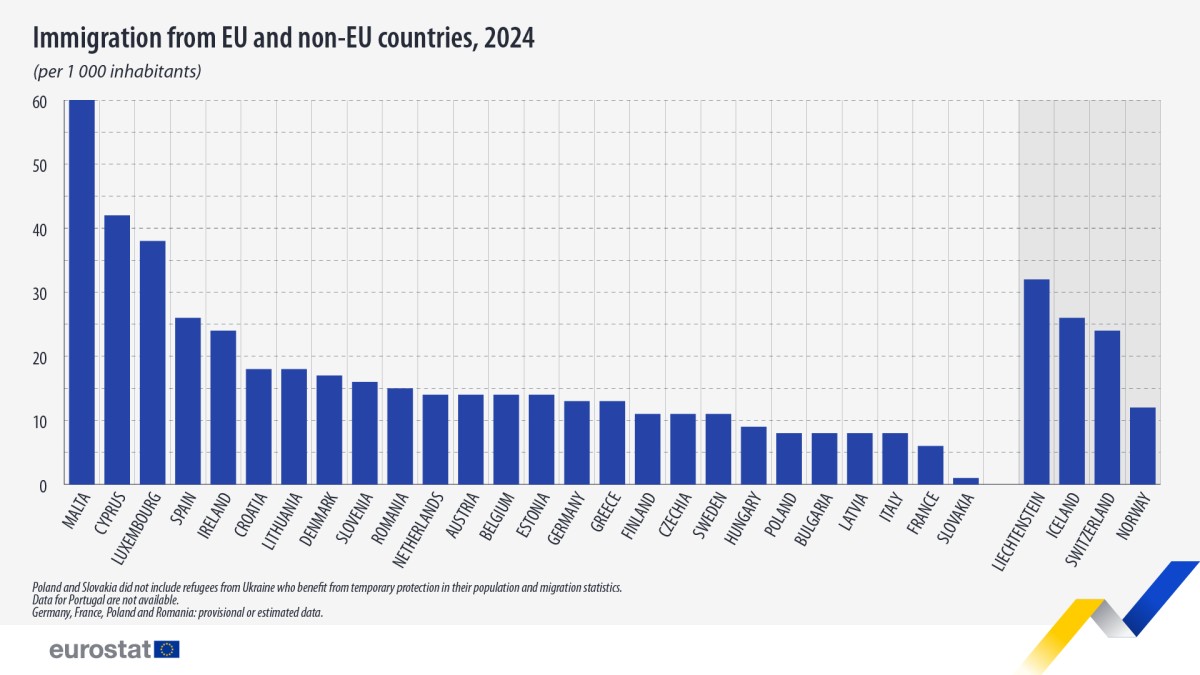
Immigration is emerging as one of the most powerful forces behind Spain’s housing market boom. Just as in the mid-2000s, rapid population growth is fuelling demand for homes and putting intense pressure on the rental sector.
The Spanish housing market had a strong year in 2025, with 752,661 home sales – the highest level since the last boom in 2007. Prices also continued to rise, reaching a national average of €1,902 per square metre.
Behind these figures lies a powerful structural driver: immigration.
Spain is currently one of the main destinations for migrants in Europe. According to Eurostat, the European Union received around 4.2 million immigrants from outside the EU in 2024, alongside 1.5 million people who moved between EU countries. Spain accounted for a significant share of that inflow.
In fact, Spain issued the largest number of first residence permits in the EU in 2024, representing around 16% of the total.
Measured relative to population, Spain also stands out. The country recorded around 26 immigrants per 1,000 residents, making it one of the highest rates in the European Union and far above the EU average of 9.2 per 1,000 inhabitants.
In absolute terms and relative to population size, Spain is experiencing one of the strongest immigration waves in Europe.
More people means more housing demand
All these new arrivals need somewhere to live.
Most immigrants do not enter the housing market as buyers. Instead, they typically begin by renting, which means immigration initially places pressure on the rental sector.
This surge in demand comes at a time when the supply of rental housing is shrinking. Government policies – including rent controls and other measures designed to penalise landlords – have discouraged investment in rental property and pushed many owners to withdraw homes from the long-term rental market.
The result is a tightening rental sector, especially in major cities and urban areas where most migrants settle.
As rents rise and supply becomes scarcer, many residents who might otherwise remain tenants find themselves pushed towards home ownership instead. This includes both local households and immigrants who have lived in Spain long enough to become financially established.
In this way, immigration indirectly boosts demand for home purchases.
Echoes of the previous housing boom
This pattern has historical precedent. During the property boom of the early 2000s, Spain experienced a surge in immigration that dramatically increased housing demand.
Population growth, driven largely by foreign workers arriving to participate in the expanding economy, helped fuel the construction boom and rising home sales of that period.
Today’s situation is different in important ways. Lending standards are far stricter than they were during the credit-fuelled bubble years, and mortgage lending is more conservative.
However, the demographic driver is remarkably similar.
A rapidly growing population means more households forming and more demand for homes. When supply struggles to keep pace, both rents and prices come under upward pressure.
A structural driver of the market
Immigration is therefore becoming one of the key structural drivers of Spain’s housing market today.
Combined with strong foreign buyer demand and relatively supportive financing conditions, population growth is helping sustain high levels of housing transactions and price increases.
The challenge, as always in Spain, lies on the supply side. The pipeline of new housing remains limited due to planning delays, regulation, and bureaucratic obstacles that slow development.
As long as population growth continues to outpace housing construction, demand pressures are likely to remain a defining feature of the Spanish housing market.
