 Mark Stücklin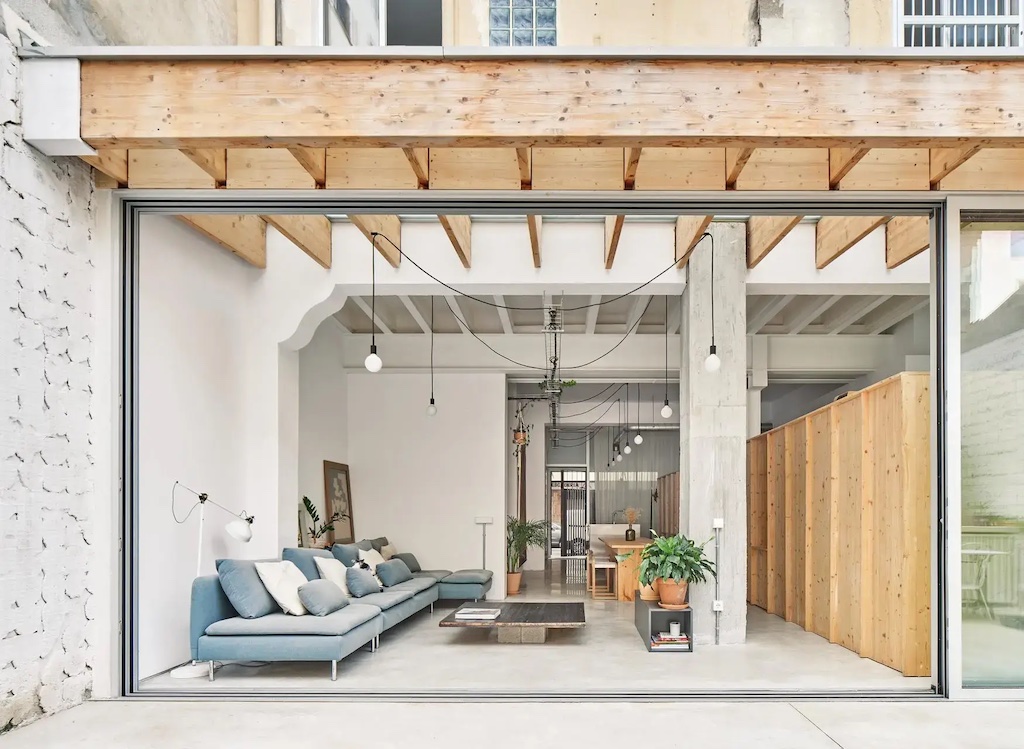
The Balearic Islands still face a severe housing shortage, but a series of reforms introduced since 2024 is beginning to add new homes to the market, with more in the pipeline.
Housing news from the islands is usually dominated by high prices, shortages and affordability problems. Those problems are real, but they are not the whole story.
According to figures reported by the local press, measures introduced by the Balearic government over the past two years have activated 2,028 additional homes through changes to planning and permitted uses, largely without consuming new land.
Making better use of existing buildings
One of the main measures has been to allow empty commercial premises to be converted into homes. Since 2024, 516 such conversions have taken place, including 438 in Mallorca.
Planning changes have also allowed some large properties to be divided into smaller homes and extra floors to be added to certain buildings where this brings them into line with surrounding development. These measures have produced another 467 homes.
A further 146 homes have come from completing unfinished buildings in Palma and Manacor. Together, these three measures account for 1,125 limited-price homes.
The government has also allowed some land previously reserved for public or private facilities to be used for housing, producing another 903 homes across Palma, Calvià, Andratx, Pollença and Santanyí.
More housing in the pipeline
The short-term measures form part of a broader housing programme.
The Construir per Llogar (Build to Rent) scheme has more than 2,200 rental homes in planning, based on public land being made available to private developers in exchange for limited rents. The public housing agency Ibavi also has more than 1,200 homes in planning, with further projects expected in Palma and Ibiza.
Another important element is Vivienda de Precio Limitado, or VPL, a category of limited-price housing intended for established Balearic residents and subject to restrictions on rents, sale prices and future buyers.
The underlying policy direction is clear: try to increase the amount of housing available by adapting existing buildings, unlocking underused plots and speeding up development.
That may sound obvious, but after years of very limited new development it marks a significant change of approach.
Early signs worth watching
The numbers are still modest compared with the scale of the Balearic housing shortage, and some of the measures remain controversial. Nobody should pretend that 2,000 homes solve the problem.
But they do show that policy changes can produce additional supply, and that is an important part of any credible response to a housing shortage.
With so much attention focused on what is going wrong in the Balearics housing market, these early results are worth watching too.
