 Mark Stücklin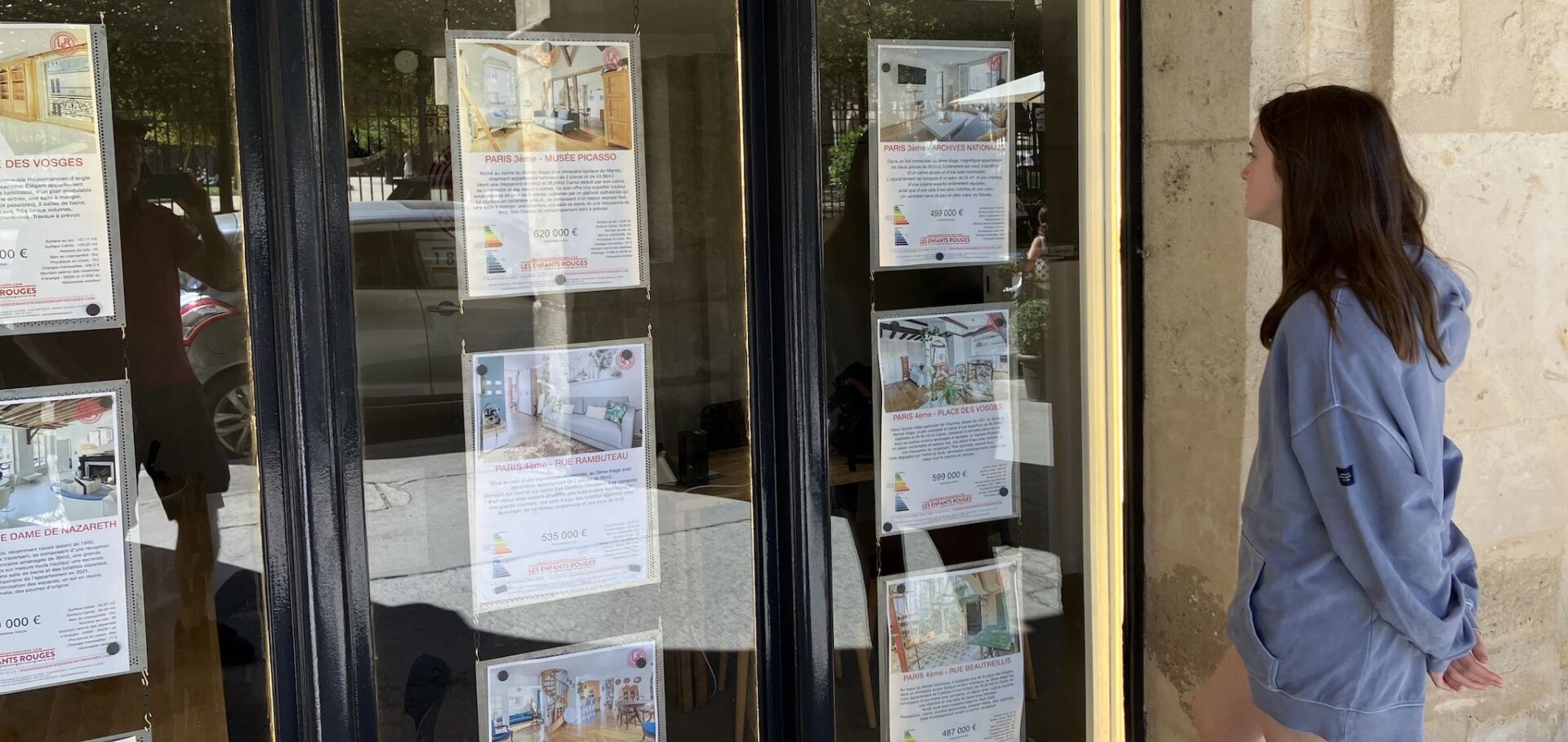
Paris is once again pushing the boundaries of housing market intervention, this time with a plan to reduce house prices. It’s worth paying attention because the French capital has often been a testing ground for housing policies that later find their way to Spain, particularly Barcelona.
According to the French daily Le Figaro, Paris City Hall wants residential property prices to continue falling after already declining since 2023.
The driving force behind the proposal is Jacques Baudrier, the city’s Communist deputy mayor for housing, who argues that lower house prices are now the key to improving affordability in the French capital.
With rents already capped by rent controls, Baudrier believes the next step is to make homes themselves cheaper. The city also hopes that lower purchase prices will encourage institutional investors back into the long-term rental market after many have withdrawn from the sector.
Among the measures being pursued are a doubling of the tax on vacant homes from 2027, alongside an expansion of non-speculative housing schemes where homes are sold well below market value but cannot later be resold for a capital gain.
Why this matters in Spain
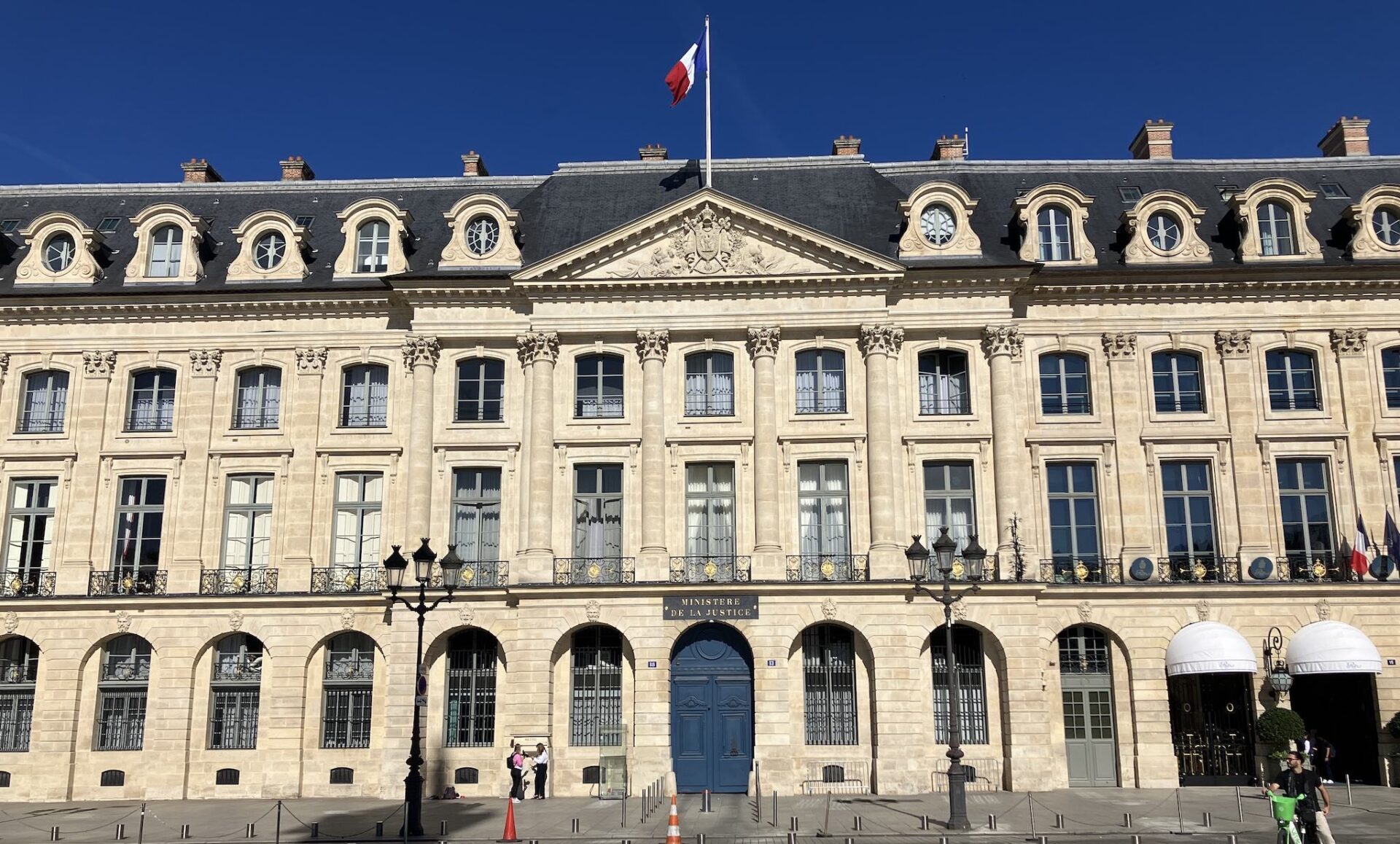
The reason is that Paris has become something of a laboratory for left-wing housing policies that frequently influence Spain, especially Barcelona. Rent controls, restrictions on tourist accommodation, higher taxes on property owners and other interventions have all travelled across the Pyrenees in recent years.
An interesting contradiction
The most striking aspect of the proposal is its internal contradiction. Baudrier says Paris needs institutional investors to return because the city needs more long-term rental housing. But why did those investors leave? They were driven away by Parisian politicians and their policies.
Many investors concluded that residential property had become an unattractive investment after years of rent controls, higher taxation, growing regulation and increasing political risk. Investors are interested in long-term returns, not simply lower purchase prices. Simply reducing house prices does little to improve the investment case if rents remain controlled and regulatory burdens continue to increase.
The economics of price controls
Price controls can certainly suppress prices, whether they apply to rents or to other goods. But they do not eliminate scarcity. Instead, they suppress the price signals that encourage producers and investors to increase supply.
History shows that when governments keep prices artificially below market levels, the usual consequence is shortages. In housing, that means fewer rental properties, less investment and less construction. Lower rents for some tenants may come at the cost of making housing even harder to find for everyone else.
That is the problem facing Paris. By trying to make housing more affordable through ever greater intervention, the city will end up worsening the very housing shortage it is trying to solve.
For property owners and investors in Spain (especially Catalonia), it’s worth keeping an eye on housing policy over the border in France. Paris may not provide all the answers, but it often provides an early glimpse of the questions that Spanish policymakers will soon be asking.
