 Mark Stücklin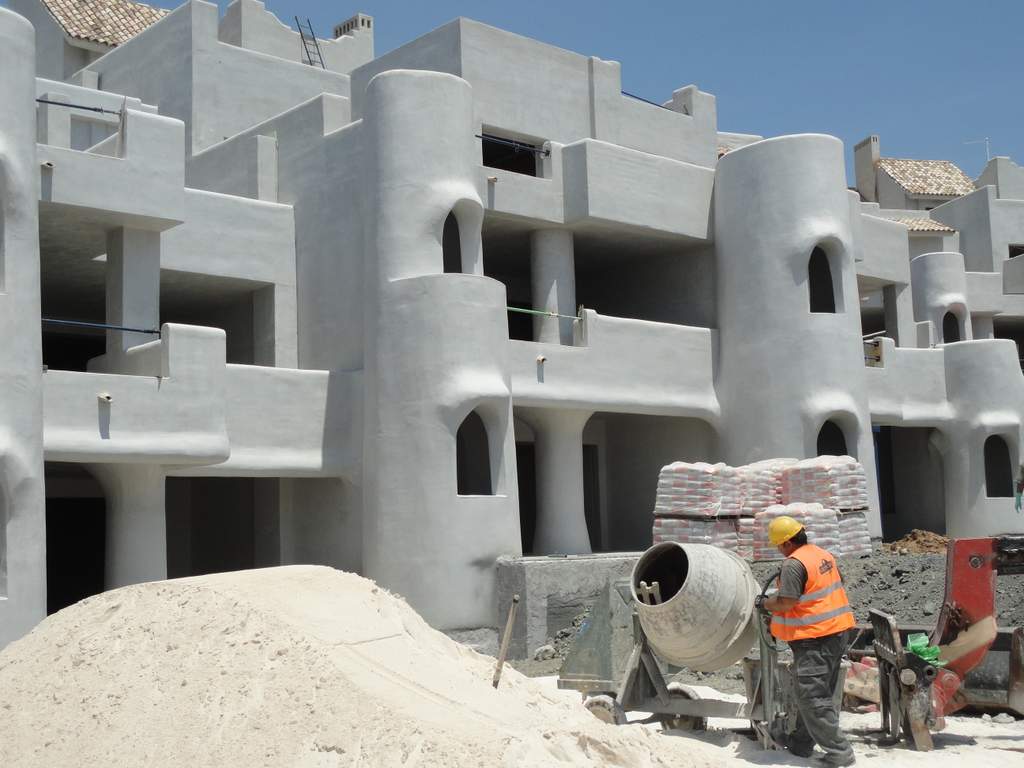
Spain’s housing shortage could explain nearly 40% of recent price increases, according to a new report by CaixaBank Research, which highlights the structural imbalance between supply and demand.
Spain’s housing market remains firmly in an expansionary phase in 2025, according to CaixaBank Research’s latest property market report. Demand is surging on the back of stronger household finances, cheaper mortgages, and population growth, while supply continues to lag, creating a structural deficit of housing that is fuelling price pressures.
Demand surges as supply lags
In the 12 months to June 2025, some 700,000 homes were sold – up 19.7% on the previous year. CaixaBank Research points to improving financing conditions, rising purchasing power, and sustained demographic growth as the main drivers of this boom.
On the supply side, the construction sector is showing signs of recovery, with 132,000 new housing permits approved in the year to May – a 13% increase. Even so, this pace of building is far from sufficient to close the gap between supply and demand.
Housing deficit and price pressures
The report highlights the accumulated housing shortfall as one of the key factors explaining why prices keep rising. Between 2021 and 2024, Spain built between 515,000 and 765,000 fewer homes than needed – equivalent to 3% to 4% of the country’s primary housing stock.
This shortage alone could explain up to 39% of the price growth observed in the period. The deficit is most acute in high-demand provinces like Madrid, Barcelona, Alicante, Valencia, and Málaga, while the “emptied Spain” faces far less pressure.
Although some indicators suggest emerging signs of overvaluation, CaixaBank Research stresses that today’s context is very different to the housing boom of the 2000s. Household finances, developers, and the banking sector are all in a much stronger position, reducing the risk of a sudden correction.
Foreign buyers at record levels
Foreign demand continues to play a central role in this cycle. In the year to Q1 2025, 18% of home purchases – 133,000 transactions – were made by foreign buyers, a historic record.
More than half of these were resident foreigners, while 44% were non-residents, typically with deeper pockets and a preference for mid- to high-end homes. This has contributed to higher average prices in prime areas.
While the Mediterranean coast and the islands remain the hotspots, CaixaBank Research also notes new demand emerging in less traditional provinces such as Castellón, Asturias, Huelva, and Córdoba.
The bottom line
CaixaBank Research concludes that Spain’s housing supply remains insufficient to meet the growing demand created by new household formation, much of it driven by immigration. Until affordable residential construction is accelerated, the deficit will continue to push prices higher, making access to housing more difficult.
