 Mark Stücklin
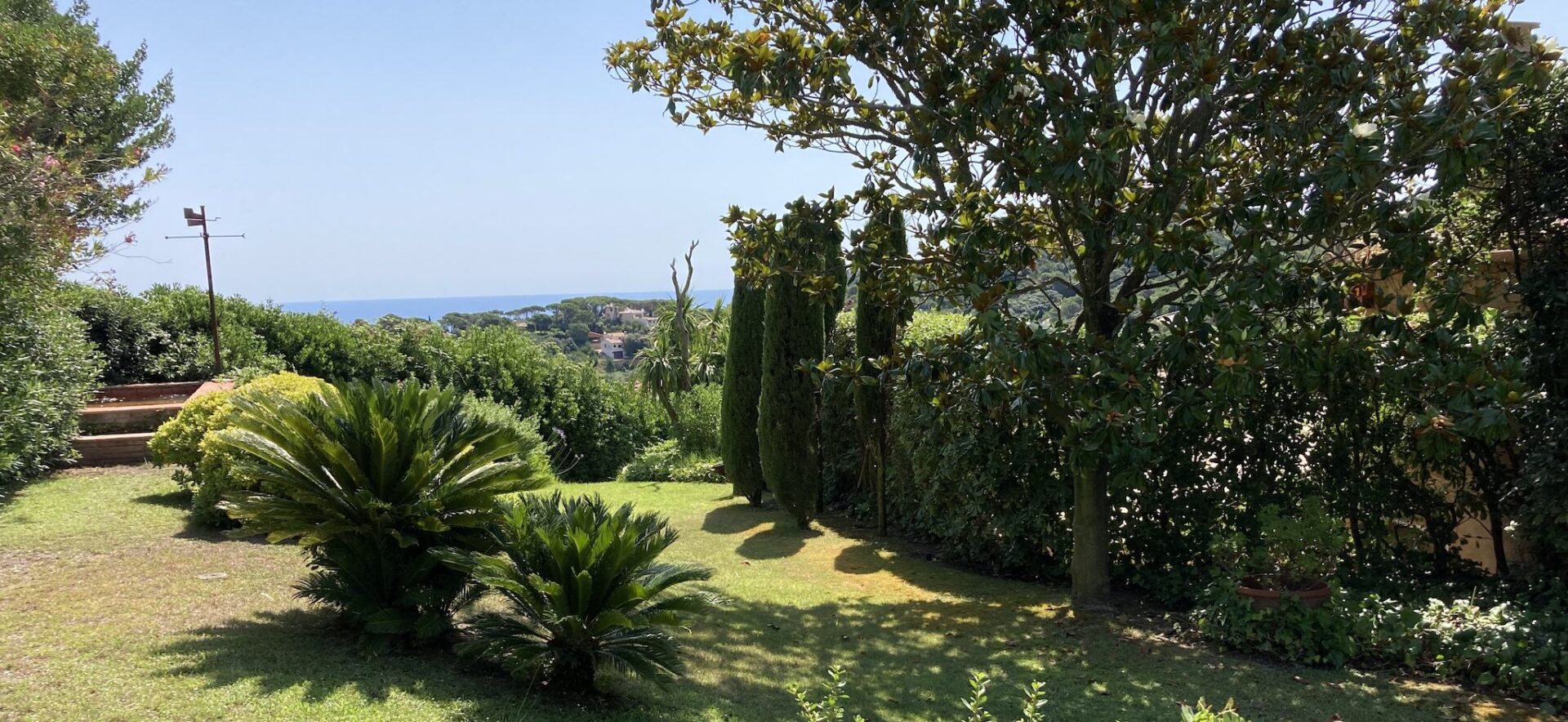
A garden can add considerable value to a home in Spain, but how much depends on where the property is, how big the garden is, and how useful it is. Bigger is not always better, and the first few square metres can sometimes be worth much more than the last few hundred.
As a rough rule of thumb, a good garden might add between 10% and 20% to the value of a property in an area where gardens are valued. On a €500,000 home, that could mean an extra €50,000 to €100,000.
But there’s no universal formula. A garden in a densely built urban neighbourhood, where private outdoor space is scarce, might command a substantial premium. In a rural area surrounded by open countryside, the premium could be smaller.
Other factors matter too: privacy, sunshine, views, accessibility, landscaping, and maintenance requirements. A sunny, private garden directly accessible from the living room is likely to be worth more than an awkward patch of land down a steep flight of steps.
Why garden size matters
Size is obviously important, but its relationship with value is not straightforward.
A garden that’s too small to be useful adds relatively little value. Once it becomes large enough for a table, chairs, some plants and perhaps a barbecue, it starts to make a meaningful difference to how people can enjoy the property.
Additional space might allow for a lawn, a swimming pool, or somewhere for children to play. Each improvement can appeal to more potential buyers and increase the property’s value.
Eventually, however, you reach a point of diminishing returns. Once the garden is large enough to satisfy most buyers’ requirements, additional land adds progressively less value.
Indeed, a garden that’s disproportionately large compared to the house might appeal to a relatively small audience. Someone with several large dogs might love it, but others will just see more work and maintenance costs.
What is the marginal value of an extra square metre?
Here’s a thought experiment.
Imagine you own a house without a garden, but you have the opportunity to buy some land from a neighbouring property and turn it into one.
If you buy just 1 sqm, it probably adds almost nothing to the value of your home. There’s not much you can do with it.
At 10 sqm, however, you might be able to create a small patio garden, giving the property something it previously lacked: usable private outdoor space.
At 30 sqm, you might have room for outdoor dining and a sitting area. At 75 sqm, there might be room for a lawn and a play area. At 150 sqm, you might have everything most potential buyers could reasonably want.
Beyond that point, the marginal value of each additional square metre generally starts to decline.
The relationship is unlikely to be a smooth curve. Value might increase in steps as the garden becomes large enough to accommodate particular uses, with relatively flat stretches in between.
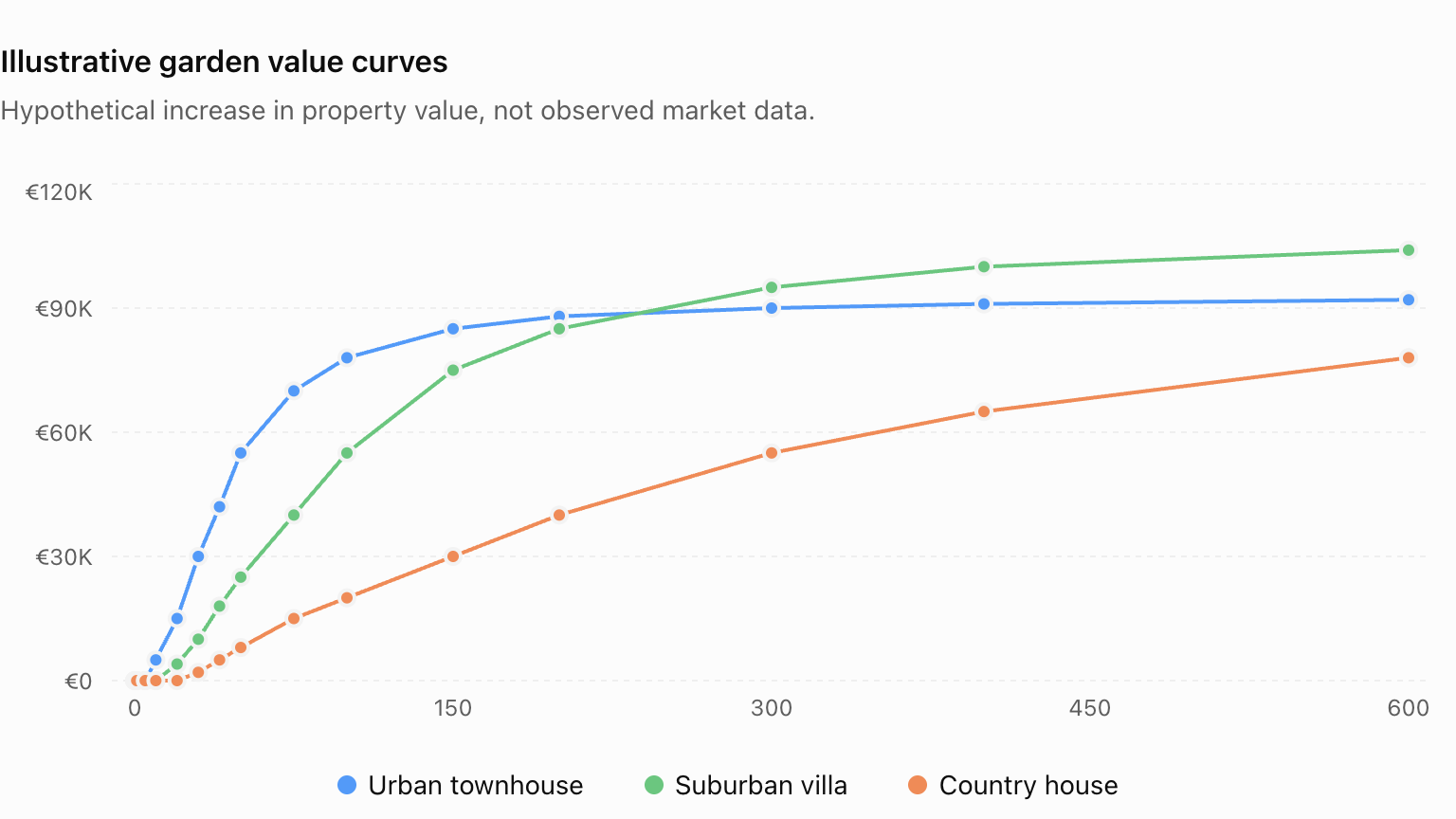
The important distinction is between the total value of the garden and the marginal value of each additional square metre. Total value might keep rising with size, even while the extra value contributed by each new square metre falls.
What does this mean for buyers and sellers?
When valuing a property, it’s a mistake to assume that every square metre of garden carries the same price.
A 200 sqm garden is not necessarily worth twice as much as a 100 sqm garden, and a small but perfectly usable garden might add more value than a much larger, less practical one.
For sellers, the lesson is that presentation and usability can matter as much as size. For buyers, particularly those considering purchasing adjoining land, the question is not simply how much land they’re getting, but how much additional utility and market value it creates.
Ultimately, gardens are worth what buyers will pay for them. And buyers tend to pay most for the space that makes a real difference to their enjoyment of a property.
