 Mark Stücklin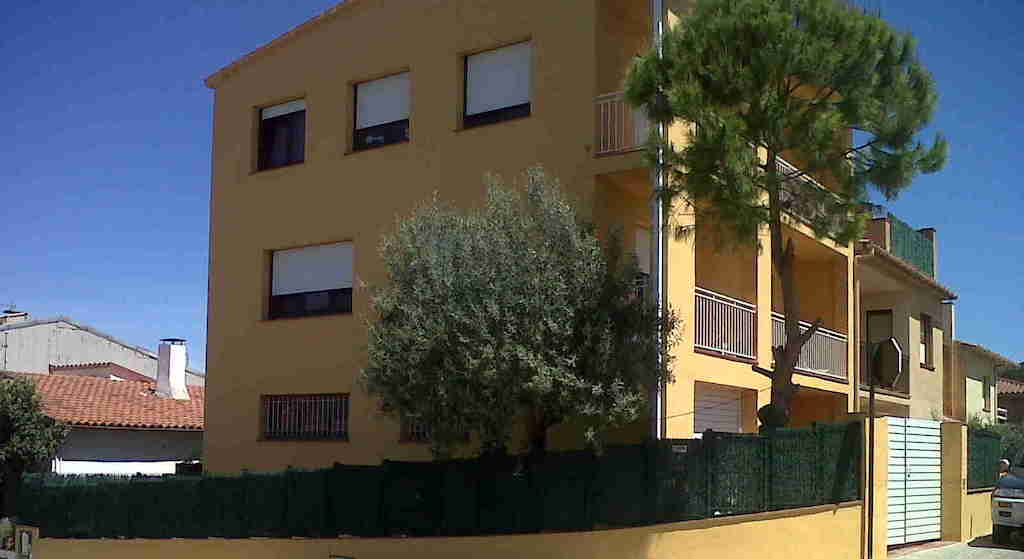
One reader’s experience shows how becoming an accidental landlord in Spain can turn into a long and stressful battle when tenants stop paying, refuse to leave, and the owner is left with few quick solutions.
It also illustrates a side of Spain’s rental debate that often gets lost: not all landlords are rental investors. Some are ordinary owners trapped by bad timing, bad luck, or changed circumstances.
An accidental landlord after the crash
Neil bought a house near La Bisbal d’Empordà, inland from the Costa Brava, in 2005. Technically in Vulpellac, on the hill above La Bisbal, it was his family home from 2004 to 2008. He paid €289,000, close to the top of the Spanish property boom.
Then came the financial crisis and the Spanish property crash. Neil moved to Germany for work in late 2008, but selling was not a realistic option. He was deep in negative equity, so he did what many owners did at the time: he rented the property out.
It was not part of an investment strategy. It was a practical response to being stuck with a property he could not sell.
Furniture gone, bills unpaid
The first tenants were British. According to Neil, they left him with around €1,500 in unpaid utility bills and disappeared with his furniture.
That alone is a useful warning for anyone renting out a furnished property from abroad. When things go wrong, the owner may be left dealing with unpaid bills, missing contents, replacement costs, and the practical difficulty of managing problems from another country.
After that, Neil used a local property management company to find new tenants. They moved in around 2012 and, for years, were good tenants paying €550 per month.
The problem started when he tried to sell
By 2025, Neil was finally in a position to sell, more or less for the same price he had paid twenty years earlier. After two decades, he might at last be able to close the chapter.
In May 2025, the tenants were informed he intended to sell. According to Neil, they immediately stopped paying rent and stopped communicating.
He has now instructed a lawyer to recover possession, which could take another year. In the meantime, the estate agent says there is no realistic chance of selling the property with non-paying tenants in place.
Neil also has no idea what condition the house will be in when he finally gets access.
The wider lesson for owners
Neil’s case shows how risky the rental market can be for small owners, especially those living abroad. Once rent stops being paid, the legal process can be slow, expensive, and uncertain. Meanwhile, the owner may still face mortgage costs, community fees, taxes, utilities, legal bills, and the loss of any realistic chance of selling.
Spain’s political climate increasingly presents landlords as the main cause of the housing crisis. But many small landlords are not large investors. They are people like Neil: owners caught by circumstances, trying to manage a property they never intended to keep as a rental business.
For anyone considering renting out a property in Spain, the lesson is clear: use a solid contract, keep copies of all paperwork, document the inventory, monitor utility bills, choose tenants carefully, and make sure your property manager is reliable. Above all, understand that recovering possession can take time.
Neil’s story may now have some light at the end of the tunnel, but it is still going to be a long tunnel.
Have you had problems renting out property in Spain?
If you have dealt with unpaid rent, missing furniture, unpaid bills, damage, difficult tenants, poor property managers, or a long eviction process, I would like to hear from you. Please fill out the form below and tell me what happened. I may use selected cases, anonymously if requested, in future articles to help other owners understand the risks.
"*" indicates required fields
